
What vintage advertisements tell us about their time
These vintage advertisements show how brands sold drinks, cars, food and personal-care products across the late 1800s and the twentieth century. Some names remain familiar. Other ads reveal claims and attitudes that deserve a closer look.
Recognizable brands and memorable promises
A recognizable name, a clear benefit and a memorable image appear throughout this collection. Looking at advertising from the past also shows why the details matter: an appealing message is only useful when customers can trust it.
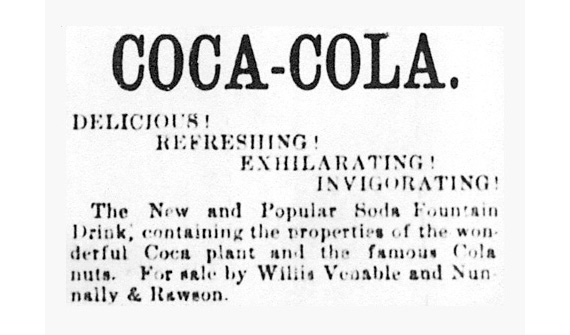
Early Coca-Cola advertising: 1886 and beyond
Coca-Cola began advertising in 1886. According to the company’s history, its first newspaper advertisement appeared in the Atlanta Journal shortly after the drink went on sale. The early ad shown here uses four emphatic promises: “Delicious! Refreshing! Exhilarating! Invigorating!”
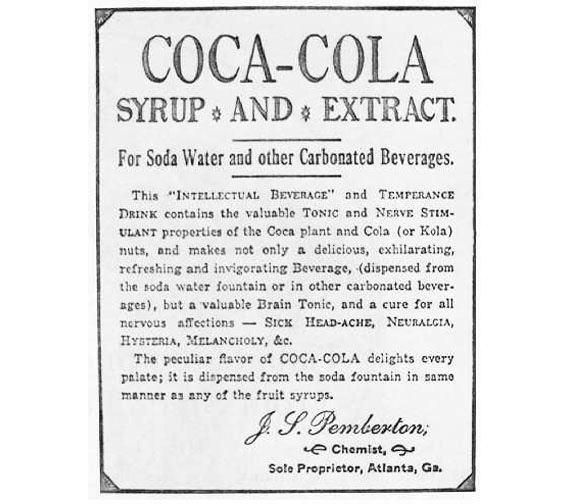
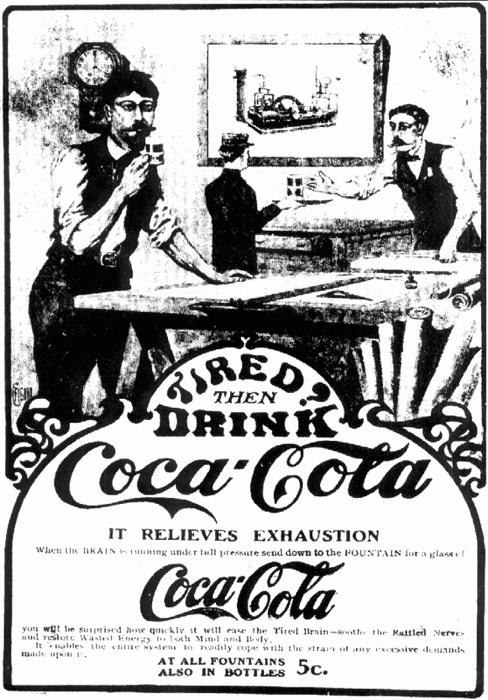
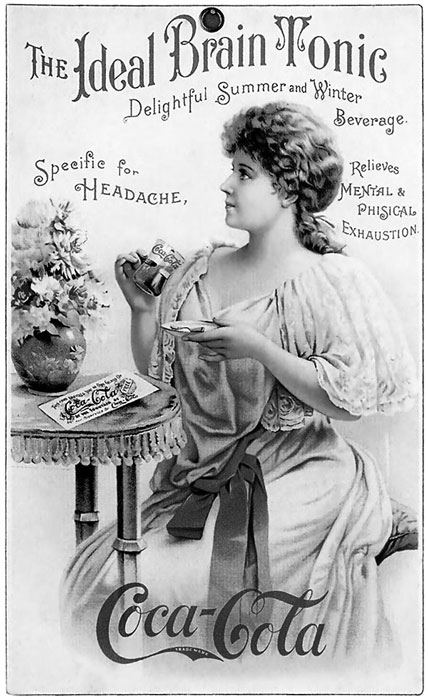
The examples below show the Coca-Cola name alongside claims about refreshment, tiredness and mental energy. They illustrate how the same product could be presented through different benefits.
Coca-Cola used Santa in its advertising before Haddon Sundblom created the illustrations that became closely associated with the brand. The company did not invent Santa Claus or his red suit.
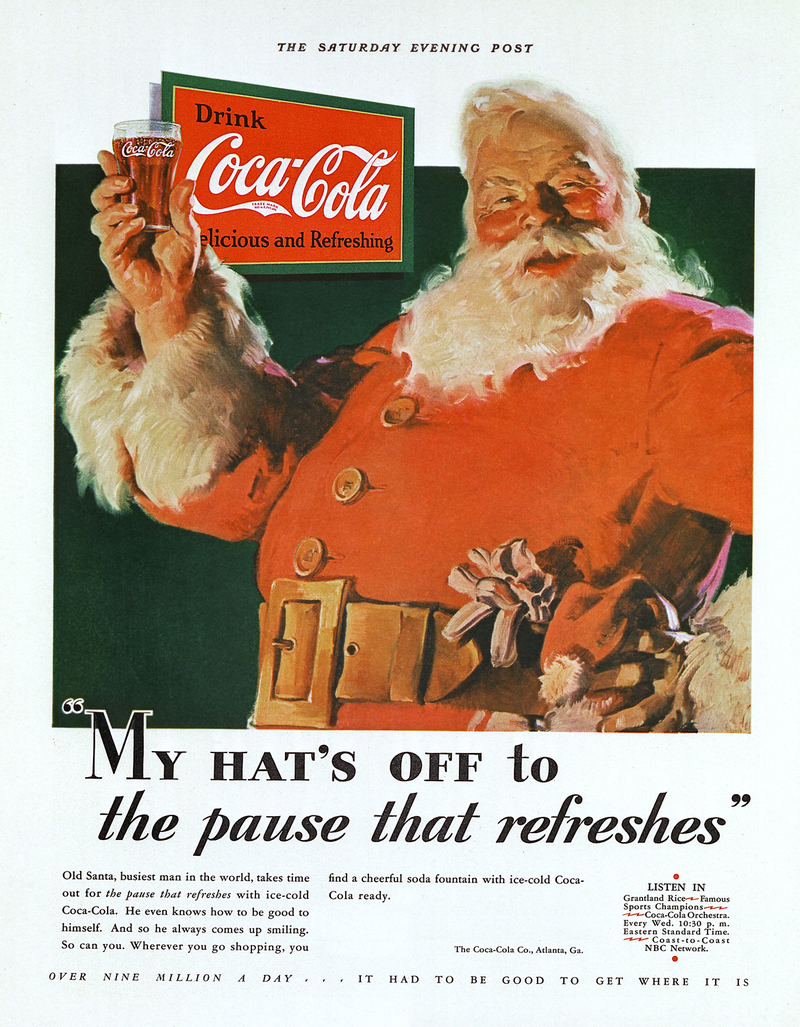
In 1931, Coca-Cola commissioned Haddon Sundblom to paint Santa for its Christmas advertising. He continued creating these images through 1964. His warm, human portrayal helped popularize a familiar image of Santa and gave the company a consistent seasonal character.
Health and slimming claims in old advertisements
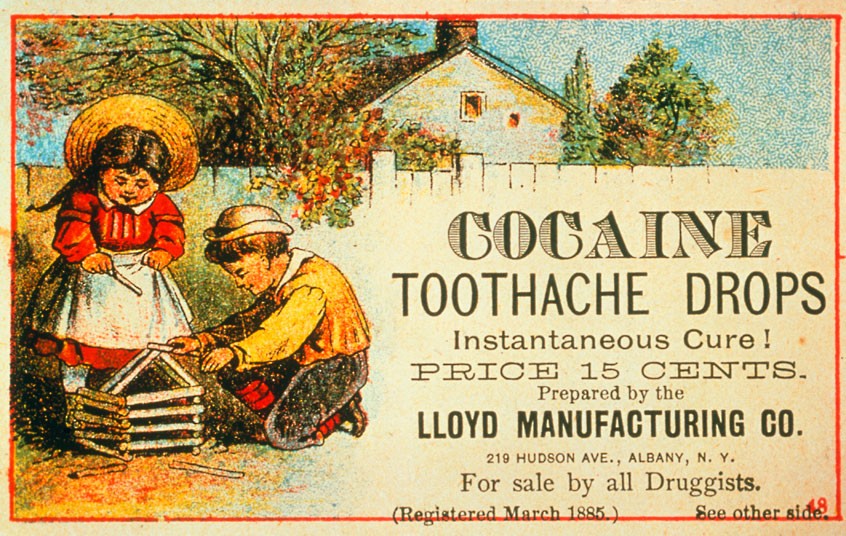
The health and slimming advertisements in this collection show how strongly sellers appealed to concerns about illness, appearance and weight.
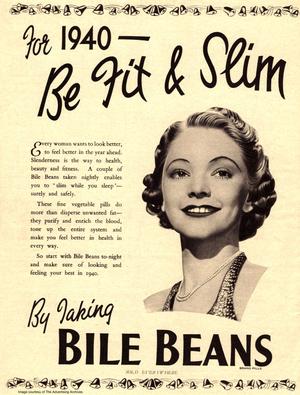
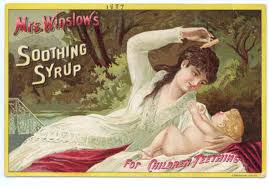
These are examples of advertising claims, not evidence that the products were safe or effective. Their wording is part of what makes old advertisements worth examining critically.
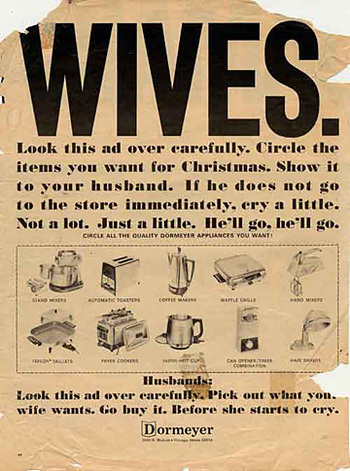
An attention-grabbing image can make an ad memorable. Whether the message is credible is a separate question.
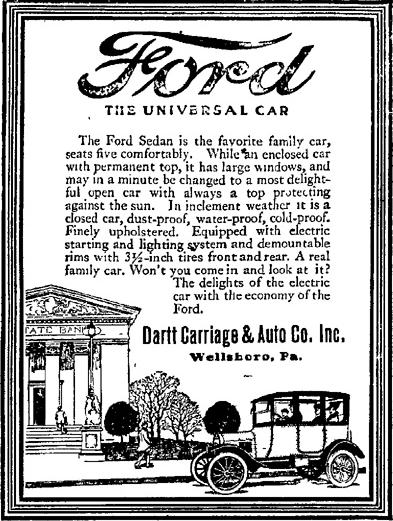
Ford’s Model T: a clear practical promise
Henry Ford wanted the Model T to be affordable, simple to operate and durable. Ford records more than 15 million Model Ts built and sold before production ended in May 1927. The car is a useful example of a product with a clear practical appeal: making motoring accessible to more buyers.
Ray Kroc opened his first McDonald’s restaurant in Des Plaines, Illinois, in April 1955, building on the restaurant business developed by Richard and Maurice McDonald. The first McDonald’s outside the United States opened in Richmond, British Columbia, in 1967. The ads below put price and an easily recognized brand at the centre of the message.
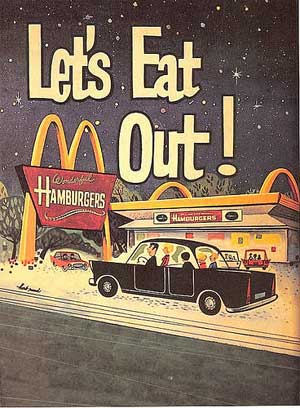
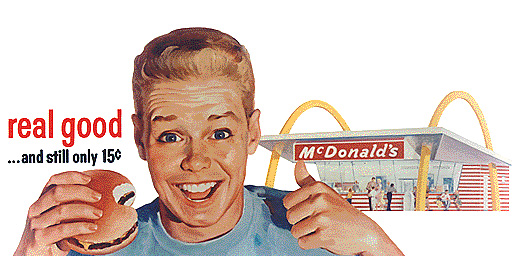
The “still only 15¢” headline makes the offer easy to understand. These are historical advertised prices; they are not a comparison with today’s menu prices or purchasing power.
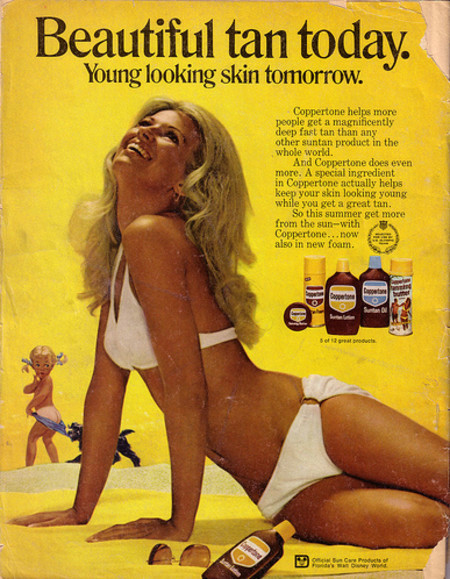
Beauty advertising and the promise of younger-looking skin
The promise of younger-looking skin is another example of an ad built around a desired result. Looking back at these messages is a reminder to distinguish a persuasive promise from a claim that can be supported.
Promotional products for your next campaign
Planning a company event, client gift or team promotion? Level 2 Sportswear can help you choose products featuring your company logo. Browse our promotional products, then tell us your audience, quantity, budget and event date so we can recommend suitable options.